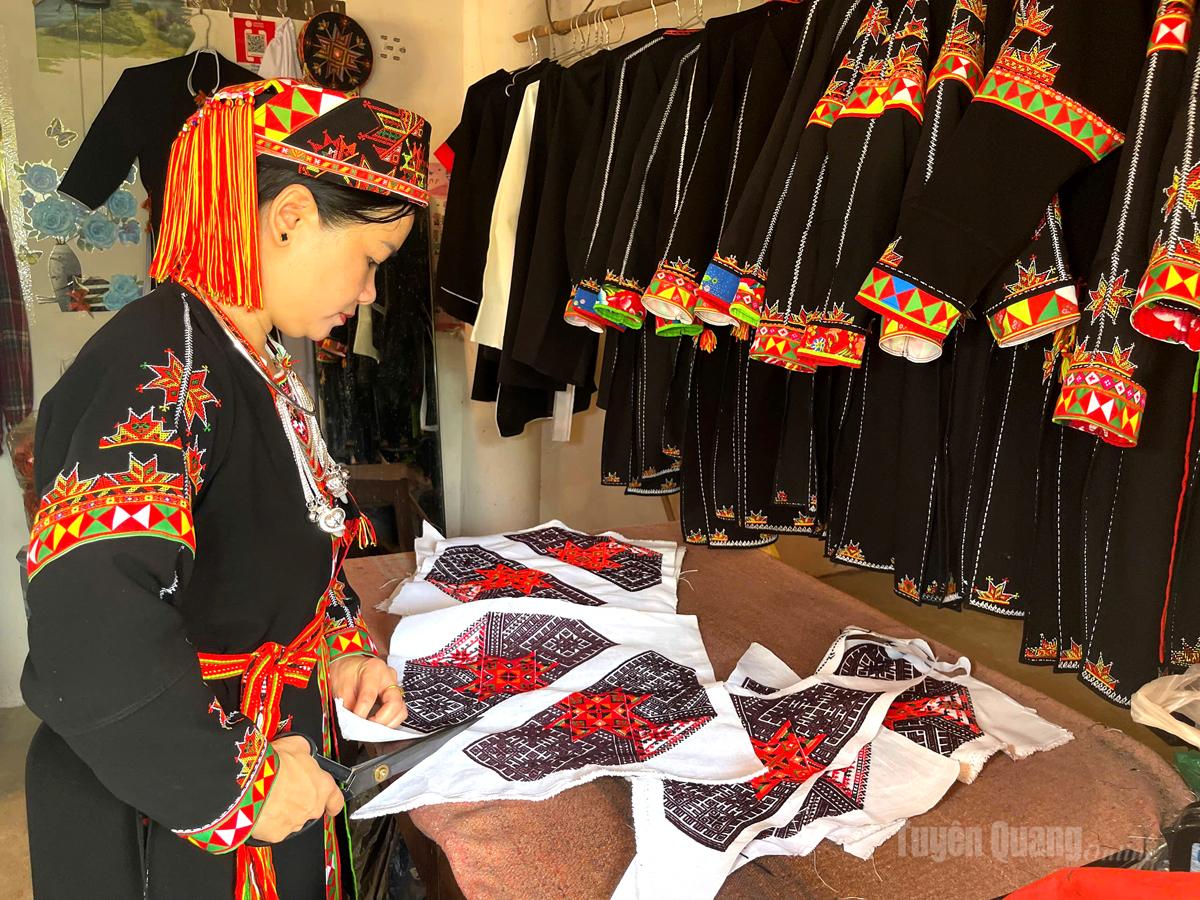
Amidst the general trend of Vietnamese tourism, Tuyen Quang is positioning itself as a "green - identity-driven - sustainable" destination, offering visitors epic landscapes coupled with cultural depth and the authentic, rustic hospitality of the highlands.
Expanding Tourism Space: From Natural Edges to Effective Regional Linkages
Previously, Tuyen Quang’s tourism was primarily centered on a few familiar destinations such as Na Hang or Tan Trao; however, with the expansion of geographical space, the tourism landscape has significantly evolved toward a more comprehensive and integrated direction.
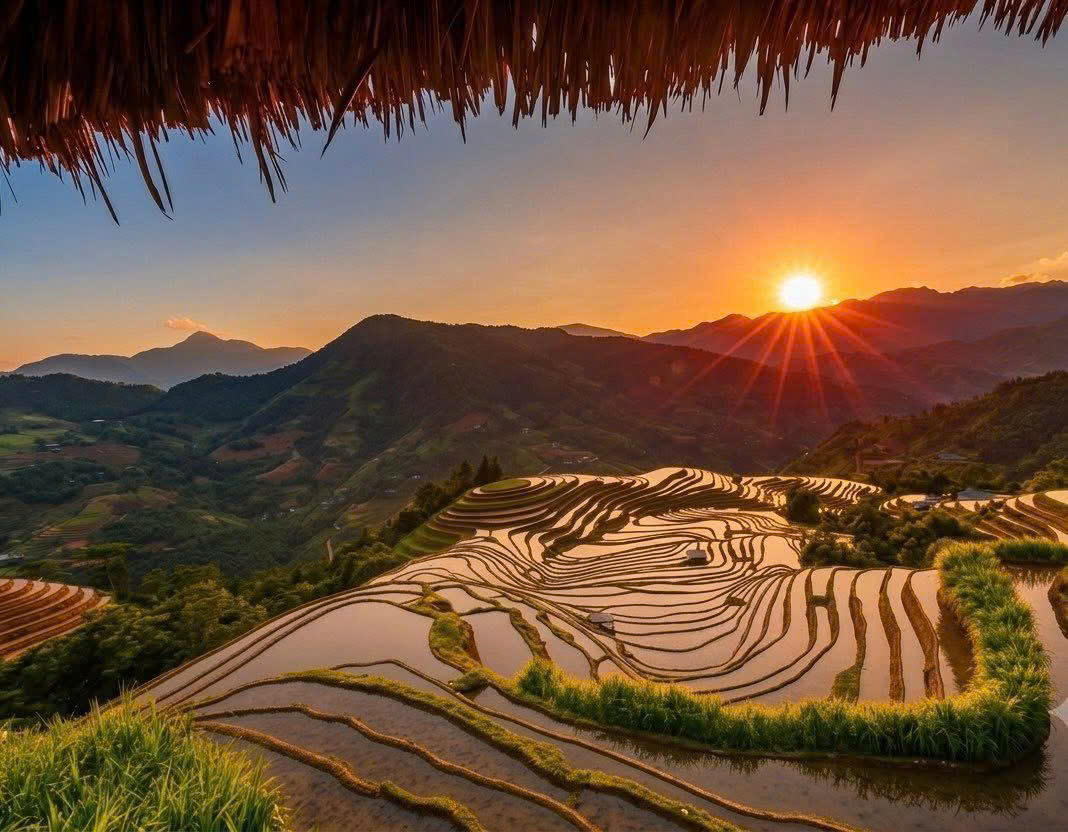
A seamlessly connected tourism ecosystem now stretches from the Na Hang - Lam Binh ecological lake area to the Dong Van Karst Plateau; from the epic canyons of the Nho Que River to the Hoang Su Phi terraced fields, and upward to high peaks like Tay Con Linh and Xin Man. This integration has borne a continuous tourism corridor of diverse experiences, creating unprecedented unique value.
Statistical figures highlight the positive growth momentum of the local tourism industry. In 2025, the province welcomed nearly 3.93 million visitors, including over 546,000 international arrivals, with total tourism revenue surpassing 10,633 billion VND. These results reflect a significant uplift in the destination's appeal and clout.
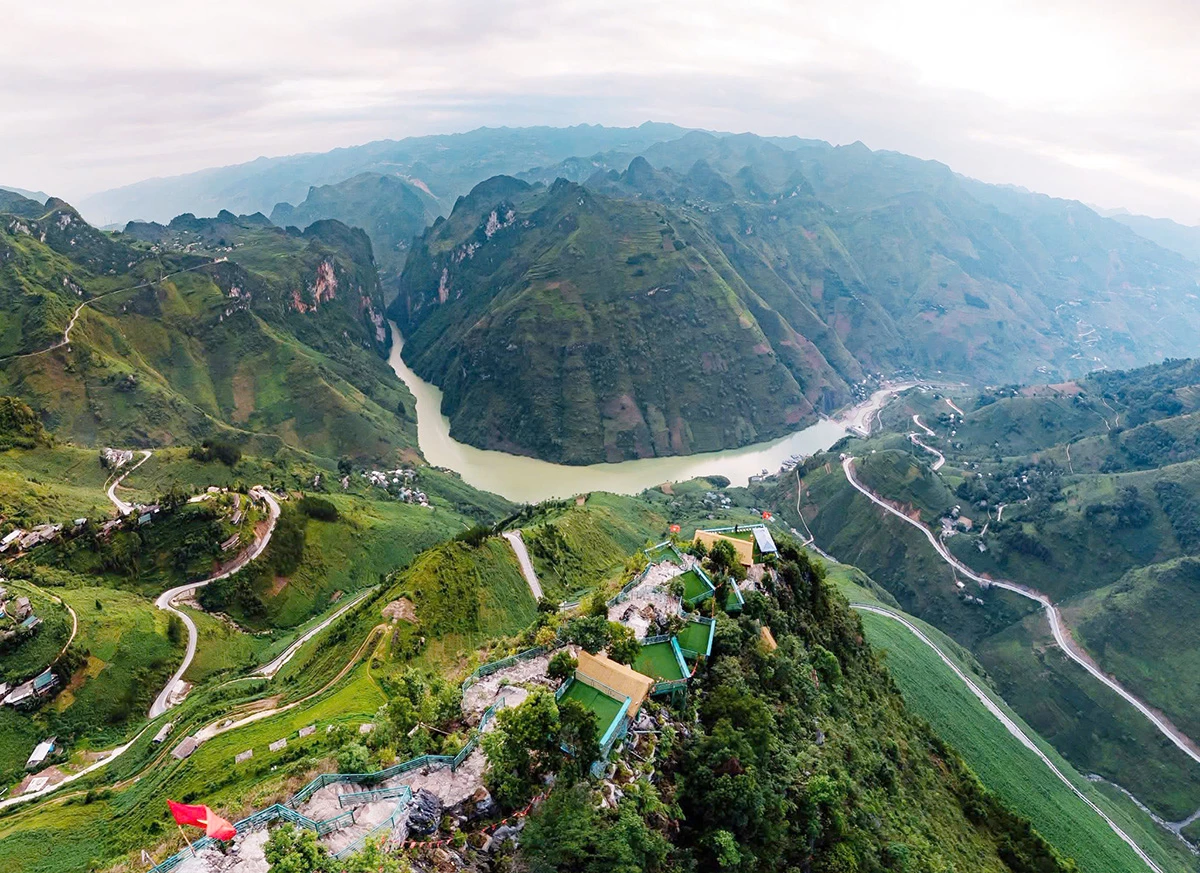
Epic landscapes in Tuyen Quang bring chances for investment in tourism
The domestic market remains the backbone, primarily comprising visitors from major economic hubs such as Hanoi, Ho Chi Minh City, Quang Ninh, and Da Nang. Meanwhile, international arrivals hail from 192 countries and territories, focusing on Europe, North America, and East Asia. The average length of stay reaches approximately 2.5 days for international tourists and 1.8 days for domestic visitors, indicating immense potential to lengthen this tourism odyssey.
Heritage - The Bedrock of Sustainable Development
One of Tuyen Quang’s standout edges is its abundant resources. With nearly 800 historical and cultural sites, scenic landmarks, and hundreds of intangible heritages, the province is uniquely positioned to develop specialized tourism products.
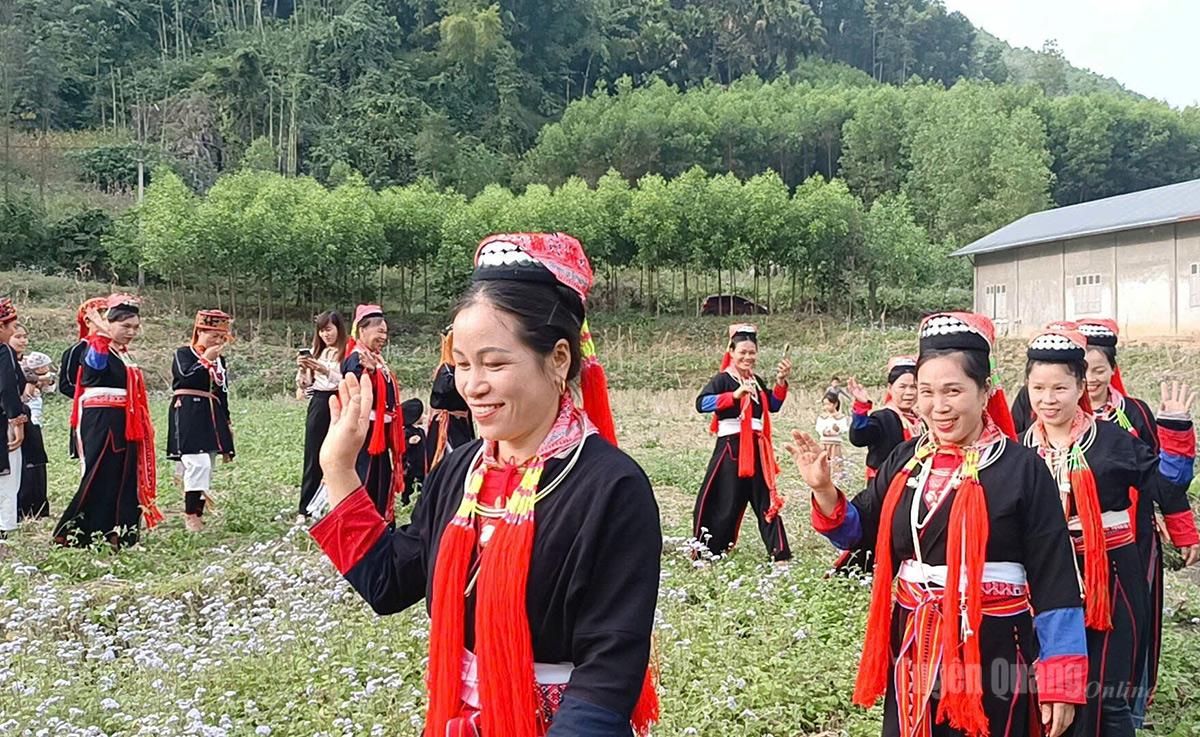
Community-based tourism, intertwined with cultural identity and local livelihoods, continues to thrive. Residents have taken ownership of heritage conservation, directly providing services and reaping the rewards of tourism. This model serves as a vital catalyst for sustainable poverty reduction, new-style rural development, and socio-economic growth in ethnic minority areas. The province now fields 54 cultural tourism villages, with 28 fully operational. Destinations such as Lo Lo Chai, Nam Dam, Pa Vi Ha, and Thuong Lam captivate visitors not only with their scenery but also with their remarkably intact indigenous cultural spaces.
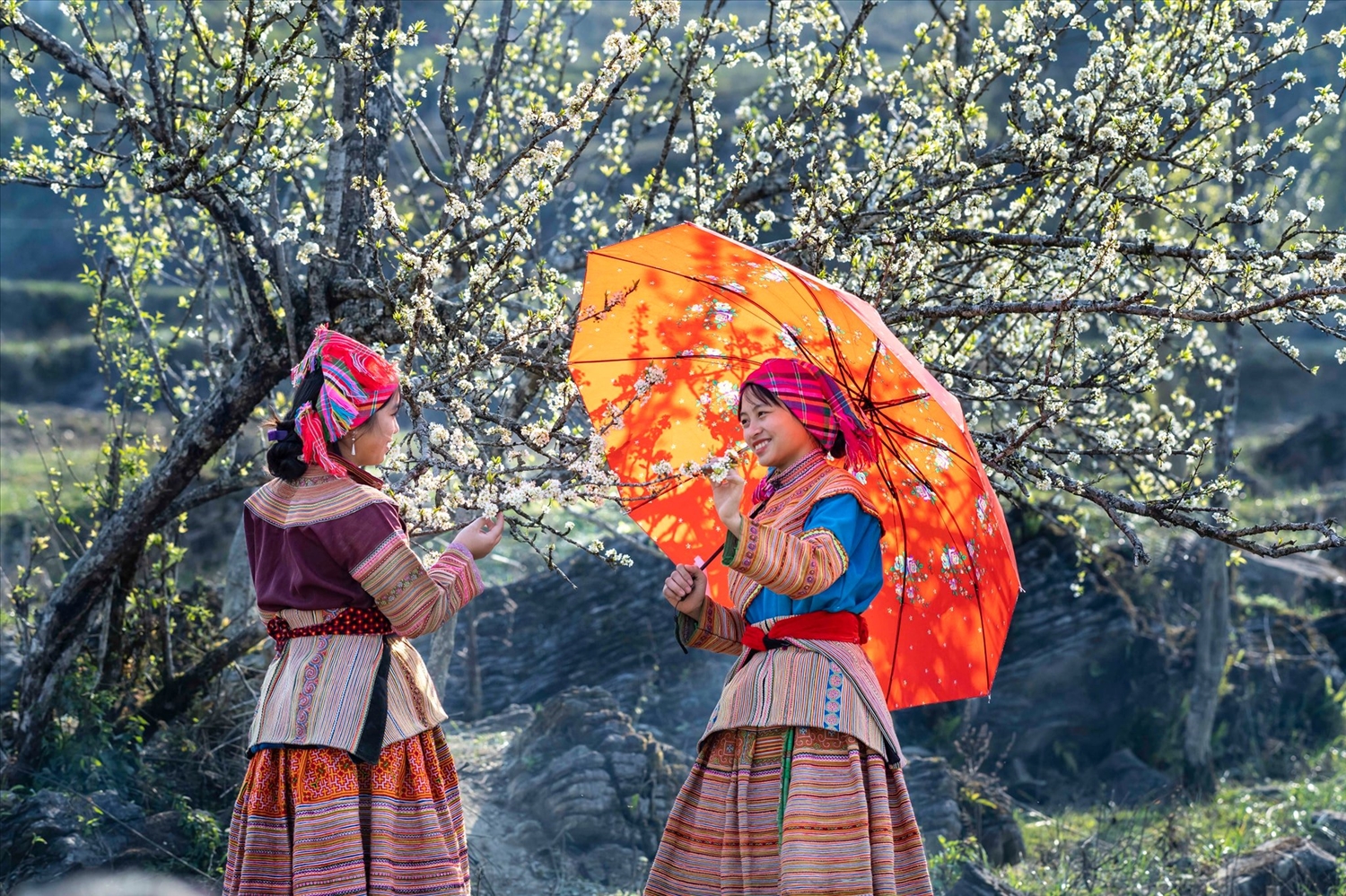
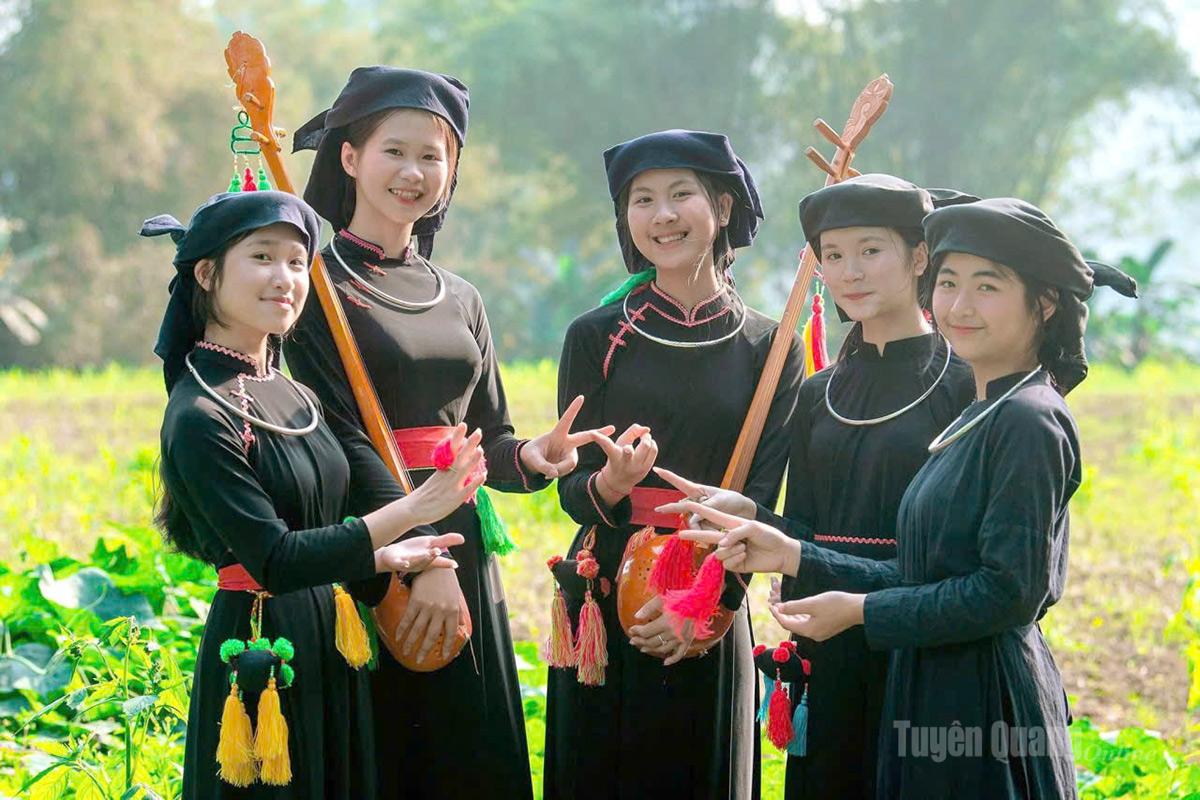
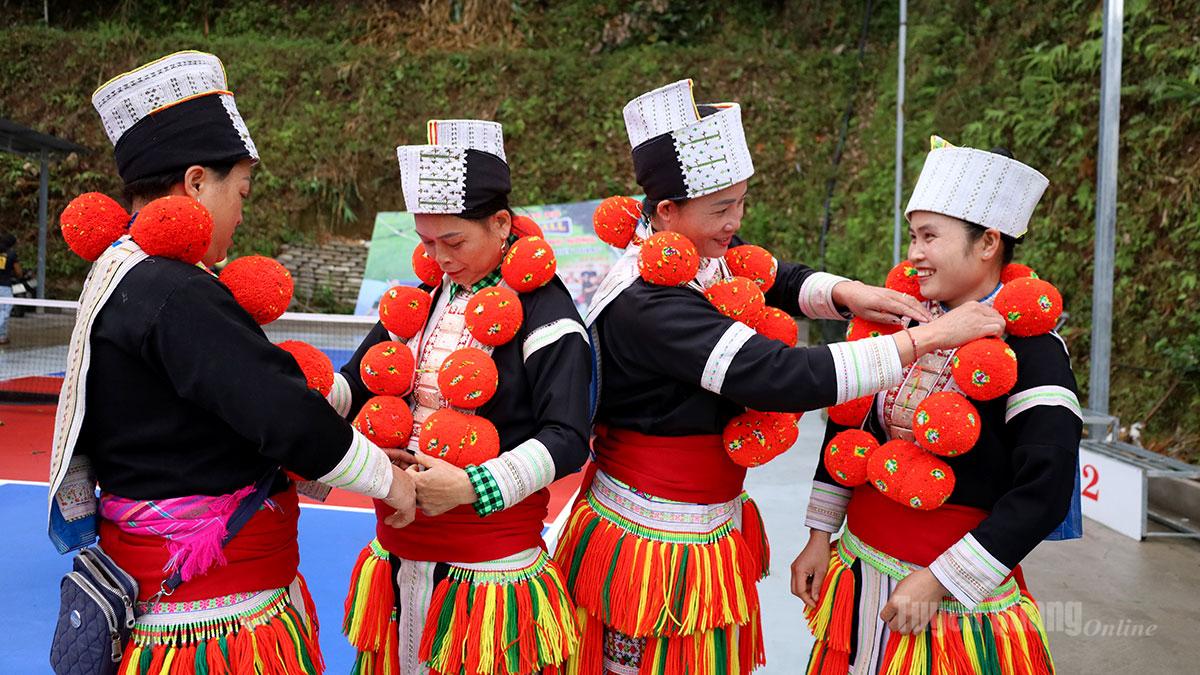
Ethnic cultural shades in Tuyen Quang act as a powerful magnet for experiential tourism
Beyond natural edges, Tuyen Quang stands out for its profound cultural and historical depth. Landmarks such as Tan Trao and Kim Binh serve not only as tourism attractions but as "red sanctuaries" of deep historical significance. A rich system of 871 intangible cultural heritages, including 53 at the national level, notably the UNESCO-recognized Then practice of the Tay, Nung, and Thai people, continues to nurture and enrich the local identity. Furthermore, festival tourism has solidified its appeal through signature events like the Thanh Tuyen, Long Tong, and Gau Tao festivals. Their expanding scale, well blending culture, arts, and cuisine, creates a powerful ripple effect among visitors.
Towards a Green, Quality, and Sustainable Destination
Tuyen Quang’s tourism strategy is clearly defined: sustainable growth anchored in resource conservation and cultural preservation. The focus lies on developing high-quality eco-tourism, community-based, and cultural products, while attracting investment into premium resorts and services. Standardizing OCOP products linked to tourism and diversifying services are also key priorities. Tuyen Quang stands at a threshold for a major breakthrough. When potential is harnessed correctly, infrastructure is synchronously developed, products are elevated, and human resources are professionalized, tourism will transcend being a mere economic sector to become a driving force for comprehensive socio-economic development.
As winding mountain roads, mist-shrouded villages, and vibrant festivals are woven into a seamless odyssey, Tuyen Quang will evolve beyond a mere destination. It will become a place that you wish to remember, to return to, and to share the story of a land on a powerful breakout - where every journey becomes a lasting legacy.
Nguyen Thanh Hieu
Vietnamese source: Tuyen Quang Portal