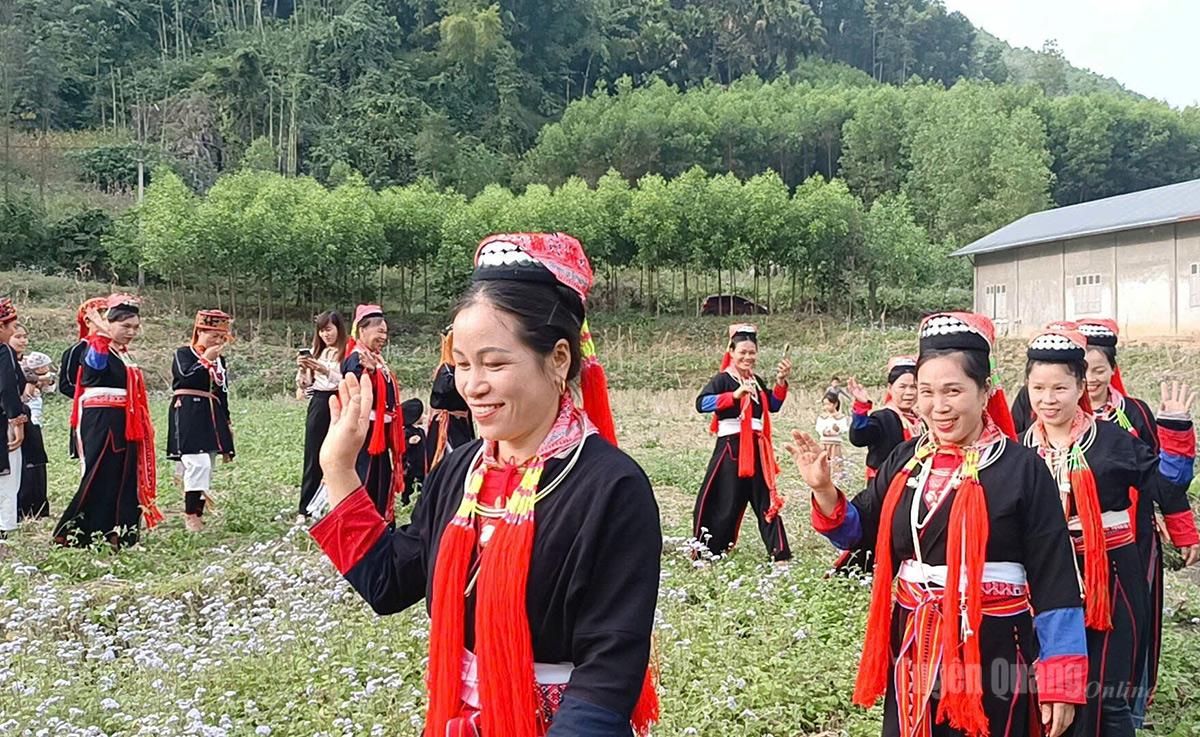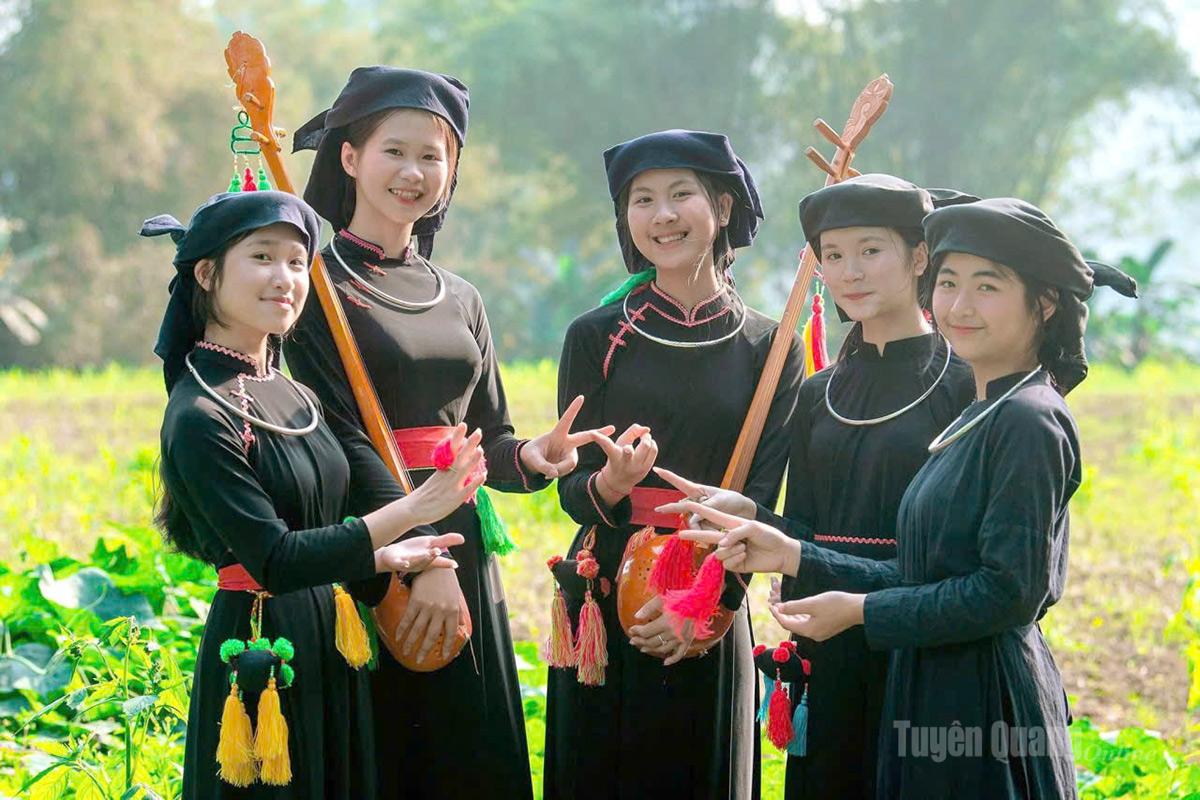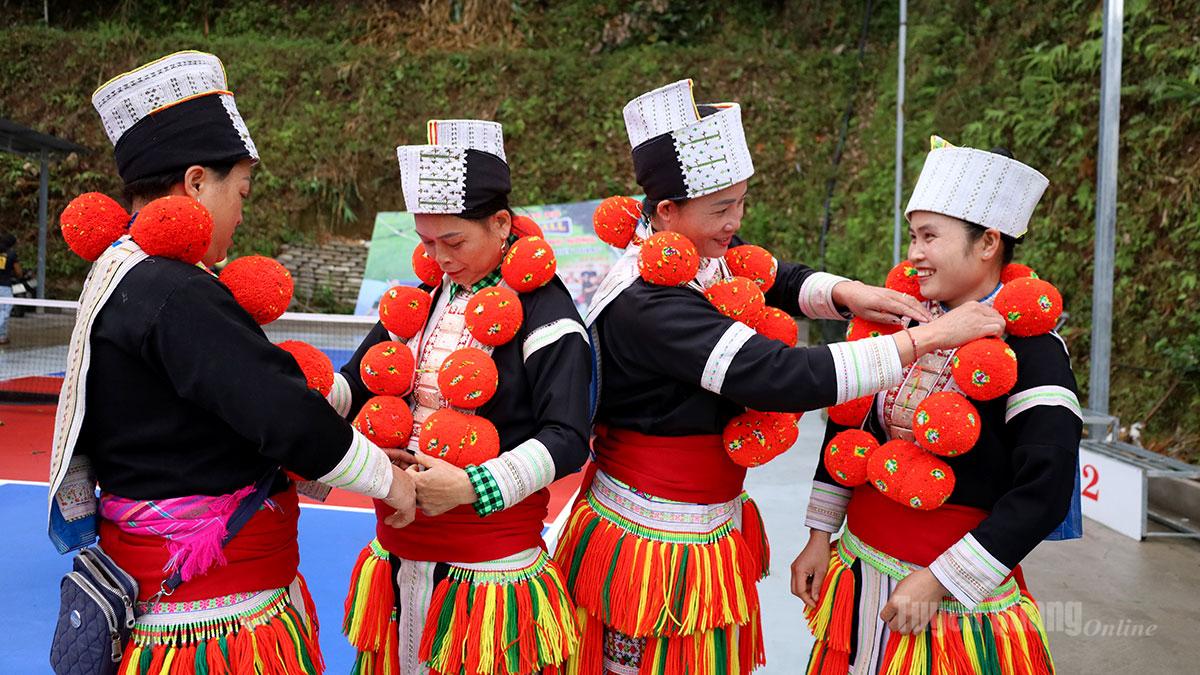
Tuong Thi Ly of Xuan Duc village, Hung Duc commune remains deeply devoted to the craft of making traditional Dao costumes
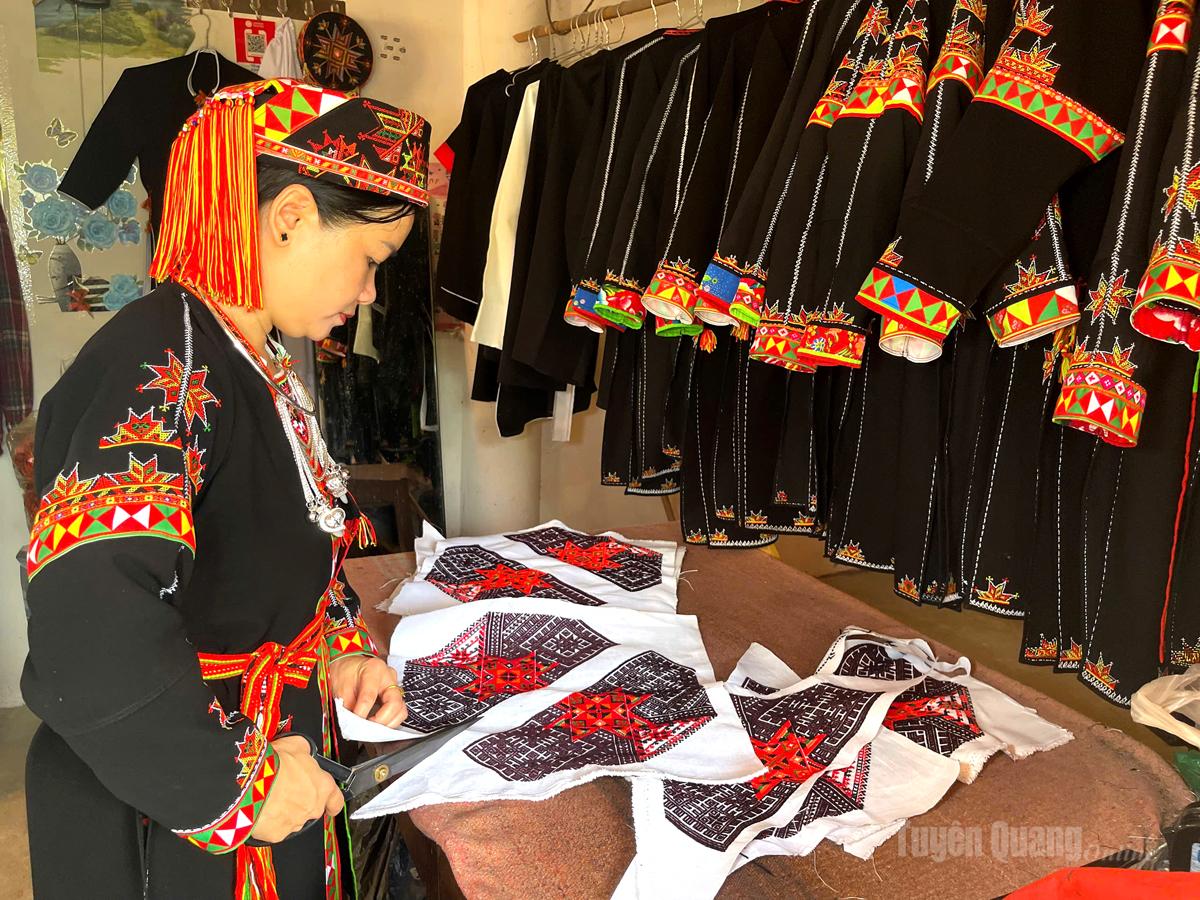
Ly chose to learn tailoring at a young age in hopes of securing stable employment and helping support her family. She decided to focus on making traditional Dao attire. According to Ly, the craft has been passed down through generations in her family, from her great-grandmother and grandmother to her mother. As a child, she learned everything from cutting fabric for skirts and shirts to embroidery techniques. With formal tailoring skills added later, her work process became more efficient.
However, completing a full traditional Dao costume requires significant time and meticulous effort, far more than making ordinary clothing. Each outfit includes numerous components such as bibs, long tunics, trousers, headscarves and hats.
Mrs. Tran Thi Hoa, Ly’s mother, said she was taught embroidery and traditional costume-making by her own mother from an early age. As she grew older, she began making clothes for herself, especially preparing the finest outfit for her wedding day, before later sewing for her children. For decades, Hoa has continued to spin thread, dye fabric and embroider intricate patterns by hand, producing garments both for personal use and for sale to customers. She is now passing the craft down to her daughter to ensure the traditional profession does not fade away.
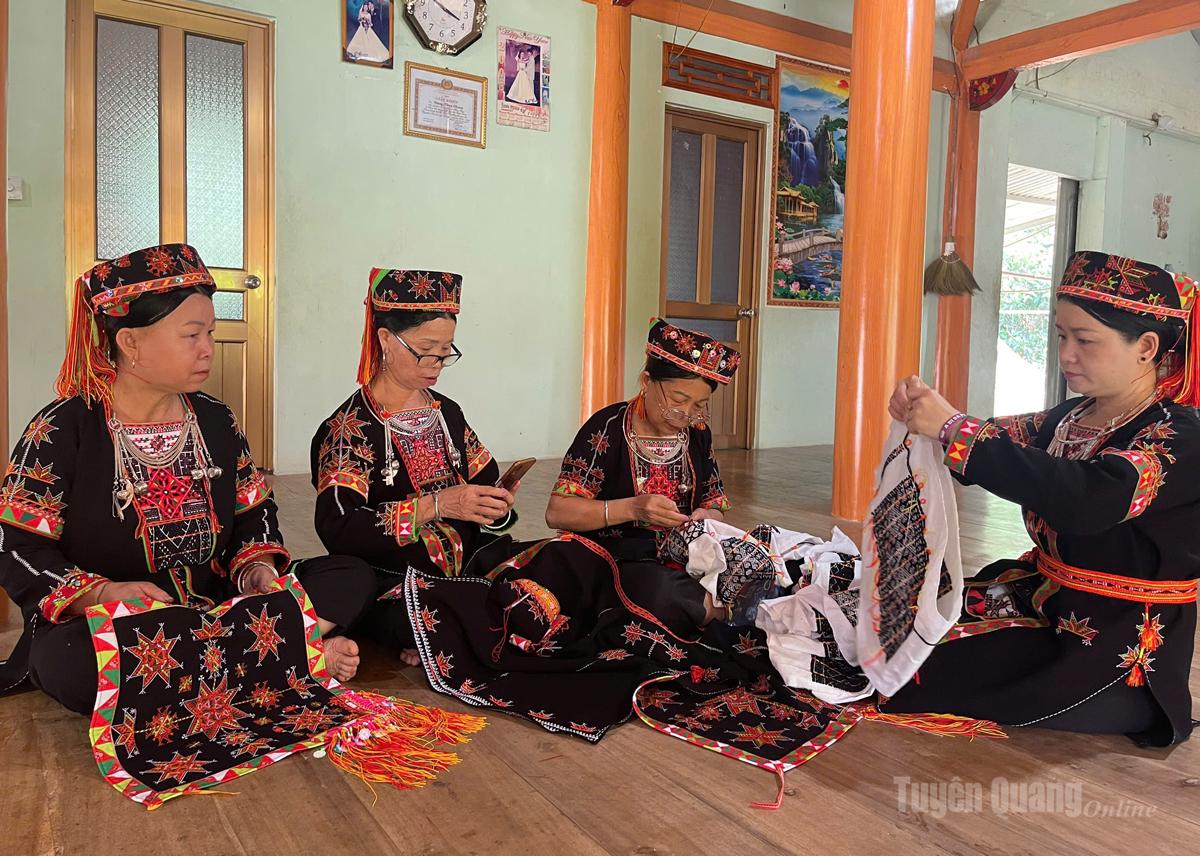
Women in the village embroider costume details for Ly
Embroidery work is particularly elaborate, requiring patience, dexterity and creativity. To introduce more people to her handmade products, Ly personally visited households to promote her garments, while also advertising them through Zalo and Facebook.
She regularly brought her products to local markets and traditional fairs, gradually attracting more customers. Today, buyers from distant provinces and cities also place orders for her costumes, either for personal use or as gifts. During festival seasons, she transports her products to traditional cultural events, where sales can average between 14 and 15 outfits per day.
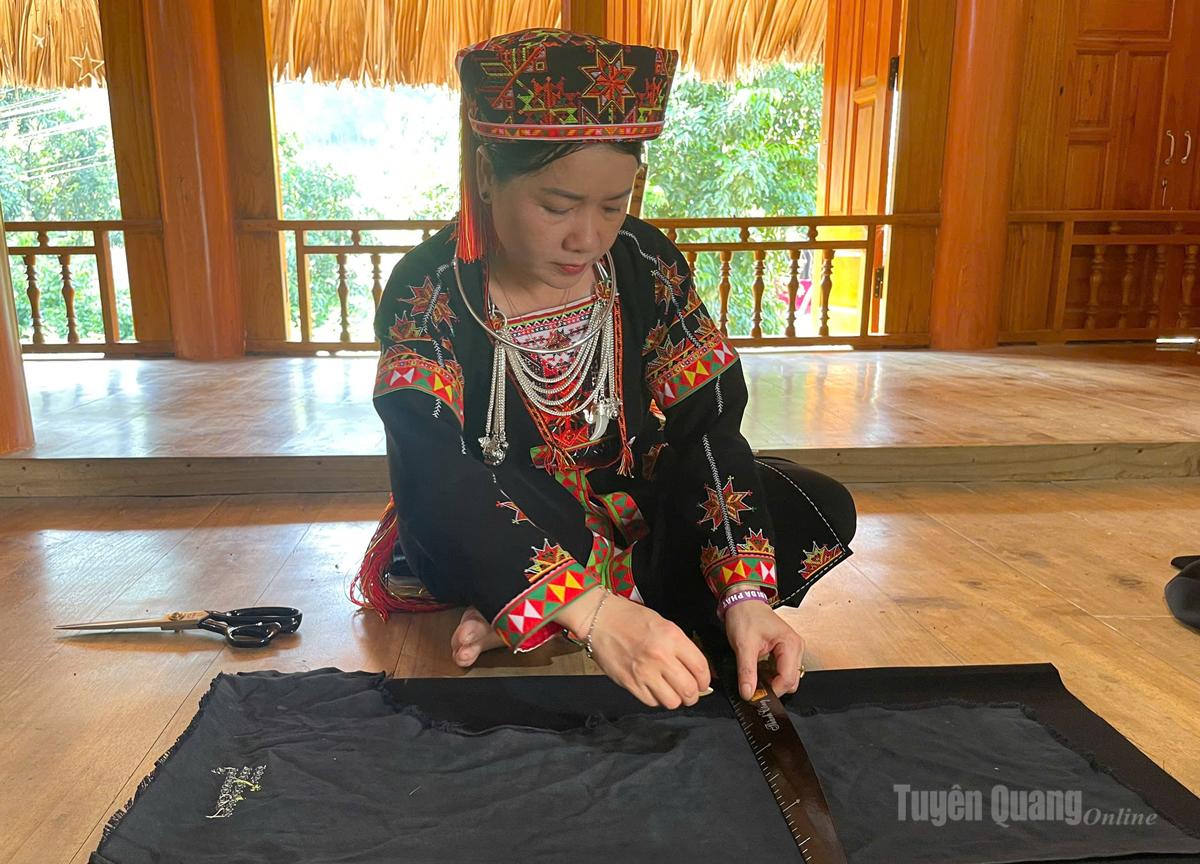
Thanks to professional tailoring skills, Ly is able to produce costumes more quickly and beautifully
With a stable customer base, Ly has proactively hired additional embroiderers from both inside and outside the village. Around 15 women currently take embroidery work home for her. They often work during their free time, earning additional income while helping preserve the traditional craft.
Mrs. Ban Thi Muoi from Thang Binh village said that besides household chores, farming and caring for grandchildren so her children can focus on work, she has spent several years embroidering costumes for Ly to earn extra income.
Mrs. Ly Thi Lien of Xuan Duc village said she and her children and grandchildren all purchase costumes from Ly’s shop. The fabric quality and embroidered patterns have become increasingly beautiful and durable, giving customers greater confidence in the products. According to Lien, making a traditional outfit by hand can take an entire month, or even several months if done intermittently. Buying ready-made costumes is therefore more convenient and also allows customers to choose designs they like best.
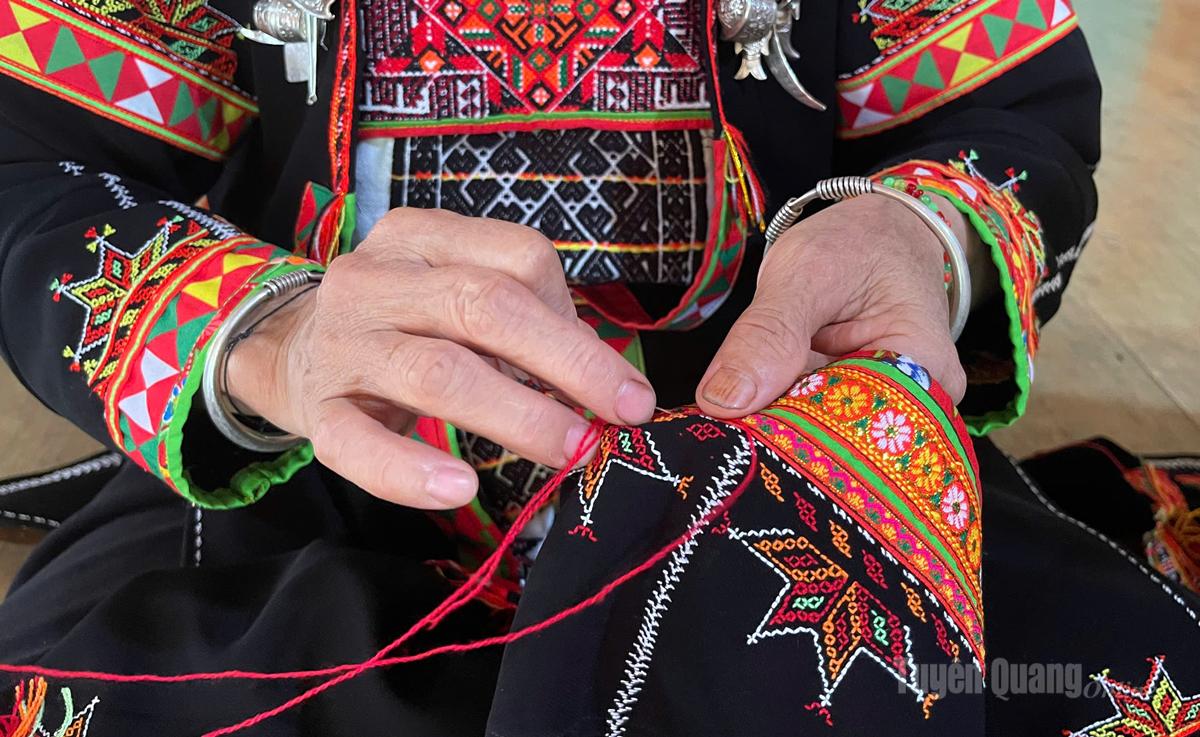
The costumes are meticulously embroidered with distinctive traditional patterns
Day after day, Ly continues to work diligently at cutting and sewing traditional ethnic garments, taking pride in the profession she has chosen. For her, every stitch and embroidered motif represents the dedication of generations of artisans, helping preserve and promote the enduring beauty of Dao cultural identity in everyday life.
Nguyen Thanh Hieu
Vietnamese source: Tuyen Quang online